
March 26, 2026 | Body, Weight Loss
9 minute read
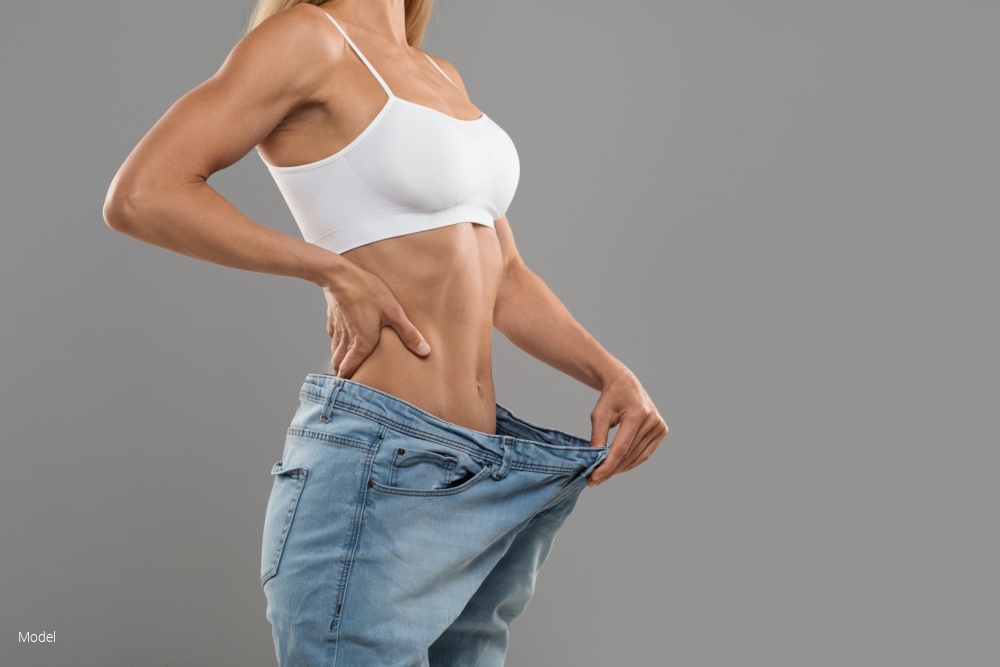
Ozempic® and similar GLP-1 medications have revolutionized weight loss, helping millions shed significant pounds in record time. However, rapid weight loss often creates an unexpected challenge: loose, sagging skin that diet and exercise alone cannot fix. For many patients who’ve lost 50, 100, or even 150 pounds, cosmetic surgery becomes a necessary next step to complete their transformation and address the physical discomfort and emotional impact of excess skin.
Table of Contents
- Understanding Excess Skin After Rapid Weight Loss
- Body Contouring: The Comprehensive Solution
- How Body Lifts Address Loose Skin
- Targeted Cosmetic Procedures for Specific Areas
- Facial Appearance Changes and Facial Rejuvenation
- The Role of Facial Fat Grafting and Fat Transfer
- Choosing the Right Cosmetic Surgeon
- Recovery and Long-Term Results
- Final Thoughts on Cosmetic Surgery After Ozempic® Weight Loss
Understanding Excess Skin After Rapid Weight Loss
When you lose weight gradually over several years, your skin has time to adapt and retract naturally. But Ozempic® users often experience dramatic weight loss within 12 to 18 months. This rapid transformation doesn’t give skin adequate time to shrink back, particularly if you’re over 40, have lost a substantial amount of weight, or have been obese for many years.
The excess skin problem affects multiple areas of the body. The abdomen is typically the most affected region, where hanging skin can create a pannus that extends over the pubic area. Arms develop “bat wings” that swing visibly with movement. Thighs accumulate loose tissue on both the inner and outer surfaces. The breasts may deflate and sag significantly. Even the face and neck can show dramatic sagging, making patients appear older than they feel.
This isn’t just a cosmetic concern. Excess skin creates real medical problems, including chronic rashes, skin infections, difficulty exercising, and hygiene challenges. Many patients report that after achieving their goal weight, they still feel trapped in a body that doesn’t reflect their hard work.
Body Contouring: The Comprehensive Solution
Body contouring encompasses a range of surgical procedures designed to remove excess skin and reshape the body after major weight loss. These aren’t vanity procedures but rather necessary surgeries that address legitimate medical and psychological needs. Insurance companies sometimes cover these procedures when patients can demonstrate medical necessity through documented skin conditions or functional impairments.
The ideal candidate for body contouring has maintained a stable weight for at least six months, ideally a year. Rushing into surgery while still losing weight can compromise results. You should also be a non-smoker or willing to quit, as smoking severely impairs wound healing. Realistic expectations are crucial—these procedures will dramatically improve your appearance and comfort, but they do leave scars, though surgeons strategically place incisions to minimize visibility.
How Body Lifts Address Loose Skin
Body lifts are among the most transformative procedures available after significant weight loss. Unlike localized treatments, these comprehensive surgeries address multiple areas simultaneously, creating harmonious results across large sections of the body.
- A lower body lift targets the abdomen, buttocks, hips, and outer thighs in a single operation. The surgeon makes a circumferential incision around the entire waistline, removes excess skin, tightens underlying muscles, and repositions the remaining tissue for a smoother, more toned appearance. This procedure effectively eliminates the hanging apron of skin many Ozempic® patients develop.
- An upper body lift focuses on the back, breasts, and arms. For women, this often includes a breast lift or augmentation to restore volume and position. The lateral arms receive particular attention, as this area rarely responds to non-surgical treatments.
Targeted Cosmetic Procedures for Specific Areas
While comprehensive body lifts work well for extensive excess skin, many patients benefit from focused procedures targeting specific problem areas. These surgeries can be performed individually or combined based on your unique needs and recovery capacity.
Common targeted procedures include:
- Abdominoplasty (tummy tuck): Removes excess abdominal skin and tightens muscles
- Brachioplasty (arm lift): Eliminates hanging skin from the upper arms
- Thigh lift: Addresses sagging on inner and outer thighs
- Breast lift or augmentation: Restores volume and position after tissue loss
- Facelift and neck lift: Corrects sagging in the lower face and neck
Combining procedures, known as “staging,” allows surgeons to maximize efficiency while managing safety. Many patients undergo two or three staged surgeries over 12 to 18 months to achieve a complete transformation.
Facial Appearance Changes and Facial Rejuvenation
Ozempic®-related weight loss doesn’t just affect the body—facial changes can be equally dramatic and sometimes distressing. The face loses fat in a pattern that can create a gaunt, aged appearance. Cheeks hollow, jowls sag, and the neck develops loose skin. Some patients notice developing “Ozempic® face,” and the psychological impact is serious.
Facial rejuvenation procedures restore youthful volume and smooth, sagging skin. A facelift tightens the lower face and neck, repositioning deeper tissues for long-lasting results. Neck lifts specifically address the “turkey neck” appearance many weight-loss patients develop. Eyelid surgery can correct drooping upper lids or puffy lower lids that become more prominent after facial fat loss.
These procedures work best when combined with volume restoration techniques, creating natural-looking results that don’t appear overly tight or artificial.
The Role of Facial Fat Grafting and Fat Transfer
Facial fat grafting, also called fat transfer, offers a natural solution for restoring lost facial volume. This procedure harvests fat from areas where you have excess—typically the abdomen or thighs—purifies it, and carefully injects it into hollowed areas of the face. The cheeks, temples, under-eye area, and lips commonly benefit from this technique.
The advantages of fat transfer are substantial. Because the procedure uses your own tissue, there’s no risk of allergic reaction or rejection. Results look and feel completely natural. The transferred fat cells establish a blood supply and become permanent, though some volume loss occurs initially, as not all transferred cells survive. Most surgeons slightly overfill to account for this.
Fat transfer can be performed as a standalone procedure or combined with facelift surgery for comprehensive facial rejuvenation. Many patients prefer this natural approach over synthetic fillers, which require ongoing maintenance and can create an artificial appearance when overused.
Choosing the Right Cosmetic Surgeon
Selecting a qualified cosmetic surgeon is the most important decision in your post-weight-loss journey. This choice directly impacts your safety, results, and overall satisfaction. The right surgeon possesses specific expertise in post-bariatric and massive weight loss surgery, understanding the unique challenges these cases present.
Look for these essential qualifications:
- Board certification by the American Board of Plastic Surgery or Cosmetic Surgery
- Extensive experience with body contouring after weight loss
- Hospital privileges to perform your desired procedures
- A portfolio of before and after photos showing results similar to your goals
- Transparent communication about risks, recovery, and realistic outcomes
During your consultation, pay attention to how the surgeon listens and whether they customize recommendations to your specific situation rather than offering a one-size-fits-all approach. Trust your instincts; you should feel comfortable, heard, and confident in their abilities.
Recovery and Long-Term Results
Recovery from body contouring surgery requires patience and commitment. Major procedures like body lifts involve four to six weeks of limited activity, with full recovery taking three to six months. You’ll need help at home initially, and most patients take two to four weeks off work, depending on their job’s physical demands.
Pain management has improved significantly, with most surgeons using multimodal approaches that minimize narcotic use. Compression garments support healing tissues and reduce swelling. Drains may be necessary temporarily to prevent fluid accumulation. Following your surgeon’s instructions precisely maximizes results and minimizes complications.
The long-term results can be life-changing. Patients report improved confidence, better physical comfort, enhanced ability to exercise, and a sense of finally inhabiting a body that matches their internal identity. Maintaining a stable weight is crucial as significant weight fluctuations can compromise surgical results.
Final Thoughts on Cosmetic Surgery After Ozempic® Weight Loss
The rise of weight loss drugs has created an unprecedented opportunity for people to improve their blood sugar levels and achieve healthier body weights, whether through medications alone or in combination with bariatric surgery. However, the journey doesn’t end when you reach your goal weight.
Board-certified plastic surgeons now offer comprehensive solutions, ranging from minimally invasive treatments that improve skin elasticity to major body contouring procedures, such as a lower body lift, upper body lift, tummy tuck, thigh lift, and arm lift, that address significant skin laxity and excess fat. For those experiencing sunken cheeks and facial volume loss, options like a deep plane facelift, combined with techniques to restore facial volume, can reverse the aged appearance that sometimes accompanies rapid weight loss.
Your transformation deserves completion. While weight loss drugs help you shed pounds and manage your health, surgical interventions may be necessary to reveal the body you’ve worked so hard to achieve. The key is maintaining weight management practices to avoid the tendency to gain weight after surgery, working with experienced professionals who understand the unique needs of post-weight-loss patients, and choosing the right combination of procedures for your individual concerns.
Whether you need extensive body contouring or targeted facial rejuvenation, the goal remains the same: helping you feel confident, comfortable, and fully aligned with the healthier version of yourself you’ve created.
Schedule a Consultation at Greenberg Cosmetic Surgery and Dermatology
If you’ve used weight loss medications like Ozempic® and are struggling with loose or sagging skin that doesn’t reflect your hard work, our team at Greenberg Cosmetic Surgery and Dermatology can help you explore your options. Whether you are concerned about restoring your body shape after you’ve lost weight quickly, looking for a skin tightening procedure to address areas with good skin elasticity that just need a boost, or hoping to restore facial fullness that disappeared along with the pounds, a personalized consultation can provide clarity.
Our surgeons will assess your weight stability, discuss realistic outcomes for your specific concerns, and create a customized treatment plan that will help you complete your transformation with confidence.
If you’re ready to learn more, schedule your consultation today by calling our office at (888) 680-2090 or filling out the online contact form.